Factura Electrónica
Cumple la normativa y automatiza tu workflow de facturas
La factura electrónica se está convirtiendo en un estándar obligatorio en Europa.
Adaptarse no es solo digitalizar documentos, sino cumplir con nuevas regulaciones y optimizar el workflow para lograr procesos más eficientes, trazables y automatizados.

Novedades Ley
“Crea y Crece”
Inicio del plazo
Desde el 1 de octubre, las empresas deben adaptarse a los nuevos requisitos establecidos en el borrador de la Orden Ministerial.
Te acompañamos en todo el proceso de adaptación para que cumplas con la normativa sin complicaciones, optimizando tus sistemas de facturación y asegurando una conexión segura y eficiente con clientes y proveedores.

El nuevo contexto de la factura electrónica en Europa
La facturación electrónica como estándar
La adopción de la factura electrónica está creciendo rápidamente en toda Europa. Cada país está implantando sus propios modelos regulatorios, que incluyen:
- Sistemas nacionales obligatorios de facturación electrónica
- Plataformas públicas para el intercambio de facturas
- Requisitos técnicos específicos por país
- Calendarios regulatorios distintos según el mercado
La tendencia es clara: la factura electrónica estructurada será obligatoria en la mayoría de los mercados europeos.
Hacia la interoperabilidad digital europea
En este contexto destaca el proyecto VIDA (VAT in the Digital Age), cuyo objetivo es modernizar el sistema del IVA mediante la digitalización del intercambio de información fiscal entre empresas y administraciones.
Esta evolución persigue:
Digitalizar los procesos fiscales | Estandarizar formatos estructurados de facturas | Mejorar la trazabilidad de las transacciones Reducir el fraude fiscal | Automatizar la supervisión tributaria
El reto para las empresas
La implementación de la factura electrónica implica nuevos desafíos para las organizaciones, especialmente en entornos internacionales.
Las empresas deben adaptarse a:
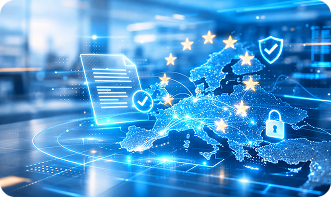
Diferentes normativas según el país
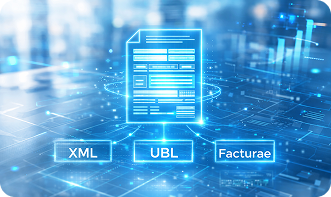
Formatos estructurados obligatorios como XML, UBL o Facturae

Integración con plataformas públicas nacionales

Conectividad con redes de intercambio como Peppol
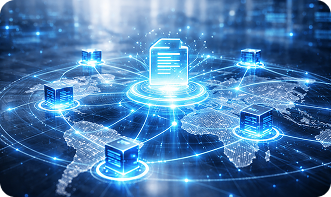
Gestión de la recepción de factura electrónica en múltiples formatos
Requisitos de trazabilidad y conservación digital segura
Nuestra propuesta:
automatización de la factura electrónica
para el cumplimiento normativo
conectando la emisión de facturas y la recepción de facturas dentro de un entorno
integrado con tu ERP.
El objetivo es simplificar el cumplimiento normativo y optimizar el workflow de
facturas de principio a fin.
Emisión de facturas electrónicas
La plataforma facilita la emisión de facturas electrónicas desde tu sistema contable sin modificar tu proceso actual.
Entre sus capacidades destacan:
requeridos por cada mercado

Integración con plataformas públicas y redes digitales
La solución se integra con los principales entornos de intercambio de factura electrónica, incluyendo:




Esto permite a las empresas operar en distintos mercados europeos con un sistema
preparado para los modelos de interoperabilidad que impulsa la Unión Europea.

Gestión completa de facturas de proveedores
Además de la emisión, la plataforma centraliza la recepción de facturas y la recepción de factura electrónica procedente de diferentes proveedores y formatos.
Automatizar la gestión de la factura electrónica no solo permite cumplir con la normativa.
También impulsa una transformación real en los procesos financieros.
Entre los beneficios destacan:
Reducción de tareas manuales en contabilidad
Minimización de errores en la contabilización de facturas
Mayor trazabilidad y control interno
Visibilidad en tiempo real del estado de las facturas
Preparación ante futuras regulaciones europeas
Preguntas Frecuentes
¿Qué es easyEI Factura Electrónica y cuáles son sus características principales?
EasyEI es una plataforma de facturación electrónica que permite emitir facturas a clientes y recibir facturas de proveedores.
Principales características:
- No requiere instalación de software.
- Coste 100% variable, se paga solo por factura emitida o recibida.
- Soporte multiformato: permite emitir y recibir facturas en formatos como facturae, XML, EDI, factura web e incluso papel.
¿Puedo emitir todas mis facturas electrónicas a través de easyEI?
La plataforma permite emitir facturas electrónicas a todos tus clientes, adaptándose al formato que cada cliente pueda recibir. Además, ofrece un valor añadido al adjuntar un fichero contable junto con la factura, que facilita la contabilización automática en el ERP del receptor. La plataforma gestiona este proceso, liberando tanto al emisor como al receptor de desarrollos adicionales.
¿Qué ventajas tiene la facturación electrónica?
La facturación electrónica ofrece múltiples ventajas:
- la generación, envío y recepción de facturas es inmediata, reduciendo los plazos al máximo
- elimina gastos de envío como sobres y sellos
- garantiza la recepción fehaciente de las facturas y evita pérdidas al almacenarlas en el portal de easyapIP. Además, con módulos de workflow, permite automatizar procesos de conciliación y aprobación, facilitando la contabilización automática sin intervención humana.
¿Qué capacidad técnica deben tener tener mis sistemas para poder emitir o recibir factura electrónica?
El portal de factura electrónica de easyap permite emitir facturas de dos formas:
- ingresando manualmente los datos en una interfaz web
- mediante la carga automática de archivos desde el ERP del usuario. La plataforma es compatible con cualquier formato de archivo, facilitando la emisión y recepción sin importar el sistema utilizado.
¿Está tu empresa preparada
para el nuevo marco europeo?
La factura electrónica ya no es una opción estratégica: es un requisito regulatorio que continuará expandiéndose en los próximos años.
Preparar ahora tu organización te permitirá adaptarte a las nuevas obligaciones normativas y optimizar el workflow de facturas de forma eficiente.


