
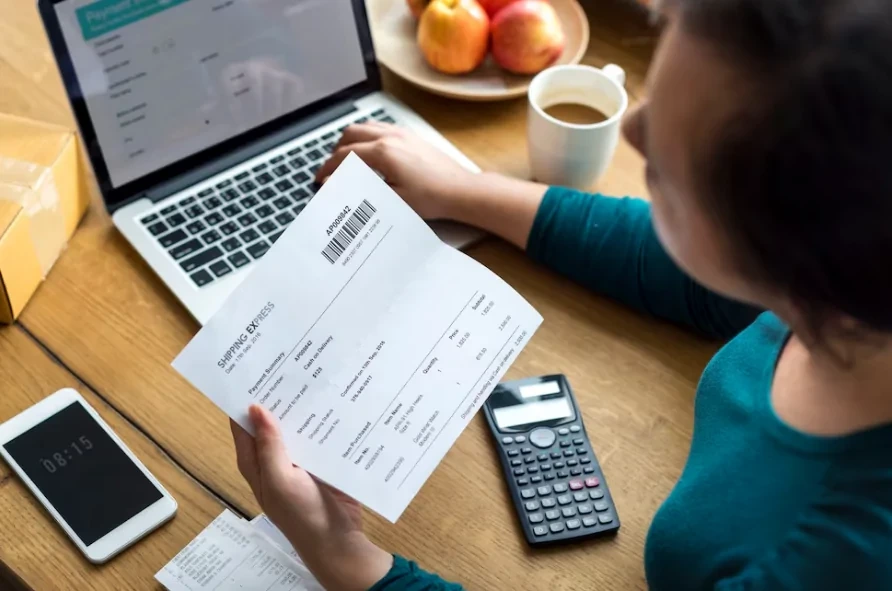
La factura proforma es un concepto financiero básico. Sobre todo, para toda empresa que lleve a cabo ventas internacionales o que, simplemente, ofrezca una cotización formal a sus clientes antes de emitir una factura oficial. Así que su papel es clave en el ciclo de ventas y lo sigue siendo tras la llegada de la factura electrónica. Por eso, conocer a fondo qué es una proforma y para qué sirve te ayudará a mejorar la eficiencia operativa y la transparencia en tus gestiones empresariales. Justo, lo que explicamos en este artículo: naturaleza, diferencias con las facturas tradicionales y beneficios que aporta en el ámbito corporativo.
¿Qué es una factura proforma en España?
La factura proforma es aquella que contiene una oferta detallada y específica de un producto o servicio que se va a proporcionar a un cliente. El matiz clave es que no tiene implicaciones fiscales o contables. Es decir, es un compromiso preliminar con el que las partes conocen los detalles de la operación antes de formalizarla.
El documento se asemeja a una factura convencional en cuanto a estructura y contenido, ya que incluye los datos sobre los bienes o servicios, cantidades, precios, y condiciones de venta. La diferencia es que no conlleva obligaciones de pago inmediatas y no se registra en la contabilidad oficial de la empresa.
Pero, ¿hay diferencias entre una factura proforma en España con otros países?
En España, su función es la misma que en otros países: resumir detalladamente el coste de una venta antes de la confirmación oficial de la misma. El caso es que es muy útil para importar y exportar mercancías, así como para cumplir con los requisitos aduaneros, donde se requiere una estimación del valor de los productos antes de la emisión de la factura oficial.
¿Para qué sirve una factura proforma?
Principalmente, la principal utilidad de la factura proforma es que sirve como un acuerdo preliminar que define los términos de una transacción. A continuación, te detallamos sus casos de uso más habituales :
- Facilitar la negociación. Al emitir una factura proforma haces una propuesta concreta que el cliente puede aceptar, rechazar o modificar en una negociación de lo más clara y transparente.
- Documentación aduanera. En el comercio internacional, se suele pedir para que las autoridades aduaneras tengan una referencia exacta de lo que se va a importar o exportar.
- Pago anticipado. También se usa como documento base para solicitar el pago anticipado de un bien o servicio antes de la entrega de una factura oficial. Así, las empresas se aseguran con tiempo de los recursos que necesitan.
- Presupuesto formal. En ocasiones, la puedes emplear como presupuesto formal, especialmente si quieres ofrecer una propuesta detallada y comprometida. O sea, dan más formalidad que un simple presupuesto.
Factura proforma o presupuesto: ¿cuál es la diferencia?
Precisamente en este punto, es posible que te preguntes en qué se distinguen ambos documentos tan típicos en el mundo financiero. Pues bien, la factura proforma y el presupuesto tienen funciones similares, ya que ninguno es vinculante y ambos reflejan el precio de un producto o servicio antes de su venta.
Sin embargo, la principal diferencia reside en el propósito y el grado de formalidad. Te lo mostramos en esta tabla:
| Concepto | Factura proforma | Presupuesto |
| Formalidad | Documento formal, muy similar a una factura real | Documento informal |
| Detalle | Especifica términos y condiciones de venta | Puede ser más general |
| Compromiso | Sirve como un compromiso preliminar | No tiene carácter de compromiso |
Como ves, la factura proforma ofrece un mayor nivel de compromiso y detalle, lo cual es muy importante en negociaciones de gran escala o en ventas internacionales.
Diferencias entre factura proforma y factura tradicional
Siguiendo con similitudes y diferencias con otro tipo de facturas, aunque la proforma y la tradicional se parecen en su estructura, presentan tres diferencias muy importantes:
- Validez jurídica. La factura proforma no tiene validez jurídica. Es decir, no tiene efectos fiscales, ni sirve para justificar gastos o reclamar impuestos. Solo la emites como referencia para el cliente. Por el contrario, la tradicional o cualquier otra factura como la rectificativa sí tienen validez fiscal y deben registrarse en la contabilidad de la empresa.
- Obligación de pago. La factura tradicional genera una obligación de pago inmediata. La proforma, en cambio, únicamente establece los términos del acuerdo, sin que esto conlleve un desembolso obligatorio.
- Registro contable. Las facturas emitidas se registran en el libro de cuentas de la empresa. Por otro lado, una factura proforma no tiene que registrarse en la contabilidad, ya que no representa un ingreso real hasta que se emite la factura definitiva.
¿Cómo hacer una factura proforma?
Más allá de lo que supone técnica y legalmente, a continuación te explicamos cómo crear una factura proforma. Un proceso sencillo que sigue un esquema similar al de una tradicional.
Por eso, los elementos o datos que debe contener como factura son:
- Encabezado. Identifica claramente que es una factura proforma.
- Datos del proveedor: nombre de la empresa, dirección, NIF e información de contacto.
- Datos del cliente.
- Número de la factura. Aunque no tiene que seguir la misma numeración que las oficiales, te aconsejamos asignar un número para llevar un registro.
- Fecha de emisión.
- Descripción de los productos o servicios. Detallar los bienes o servicios con cantidades, precios unitarios y precios totales.
- Condiciones de venta. Incluir términos de pago, descuentos, fechas de entrega, etc.
- Impuestos. Aunque no tengan efecto fiscal, es recomendable que reflejes los impuestos para que el cliente tenga claro el coste final.
Además, te insistimos: comprueba que la factura proforma indica claramente en el encabezado que es un documento preliminar y no una factura final. Así evitas confusiones con la otra parte.
Modelo de factura proforma
Para que lo veas más claramente, aquí te presentamos un modelo de factura proforma simplificado:
| Concepto | Detalles |
| Encabezado | Factura proforma |
| Proveedor | Tunegocio S.L. – NIF: 12345678A |
| Cliente | Elcliente S.A. – NIF: 87654321B |
| Número de factura | PRO-0001 |
| Fecha de emisión | 08/10/2024 |
| Descripción | Servicio de consultoría |
| Cantidad | 10 horas |
| Precio unitario | 100 € |
| Total | 1.000 € + IVA |
El pago anticipado en la factura proforma
Por otro lado, y aunque ya los hemos mencionado, nos adentramos en un aspecto a comentar por su importancia y que es el pago anticipado de facturas proforma.
En proyectos de gran envergadura o cuando la relación comercial con un cliente es nueva, el vendedor puede solicitar, junto a la proforma, el pago completo anticipado o un porcentaje del total antes de proporcionar el servicio o producto. ¿Por qué? Porque es un método con varias ventajas:
- La empresa asegura el compromiso del cliente.
- La empresa emisora obtiene recursos financieros para cubrir los costes iniciales de producción o adquisición.
- Para el cliente, la proforma es garantía de que recibirá los productos bajo las condiciones pactadas.
Por todo eso y por lo narrado en el artículo, se trata de una herramienta muy valiosa en la gestión comercial. Especialmente, en el comercio internacional y en procesos de venta con cotización formal previa. Aunque carece de validez fiscal y no implica obligaciones de pago inmediatas, sus funciones son muy útiles en la fase de negociación y, al mismo tiempo, facilita el pago anticipado.
En definitiva, comprender qué es una factura proforma y para qué sirve mejora tus procesos de venta, minimiza malentendidos con clientes y optimiza el flujo de caja, si hay pago anticipado. El software de easyap es ideal para facilitar la gestión de estos documentos, con total trazabilidad y eficiencia. Lo que necesita tu empresa para afrontar los desafíos del entorno empresarial moderno. ¿Te lo demostramos?