Una tarea tan clásica como necesaria en cualquier negocio es la de archivar las facturas. Y es que es necesaria por varios motivos: garantiza el cumplimiento normativo, ofrece transparencia contable, optimiza procesos internos…. Ya sea en papel o en formato digital, esta tarea impacta directamente en la gestión eficiente de tus recursos y, por ende, en tus decisiones estratégicas. Para ayudarte con ella, en estas líneas te explicamos qué significa archivar facturas en este contexto digital, cuánto tiempo debes conservarlas y los métodos más efectivos que hay para hacerlo. Además, descubrirás que con herramientas como easyap puedes transformar la gestión de tus facturas electrónicas, ganando en rapidez, seguridad y eficiencia.
¿Qué queremos decir cuando hablamos de archivar facturas?
El concepto de archivar las facturas no se limita solo a almacenarlas. Es un proceso que conlleva estas otras acciones:
- Clasificación. Organizar las facturas por fecha, proveedor o categoría.
- Conservación. Guardarlas durante los plazos legales para evitar sanciones.
- Accesibilidad. Asegurar que estén disponibles de forma rápida y sencilla cuando las necesites, ya sea para auditorías, análisis o consultas internas.
Hoy en día, en plena era digital, este proceso lo puedes realizar en soporte físico (o, sea, las tradicionales facturas en papel) o con soluciones digitales.
Como decimos, la tendencia hacia la digitalización empresarial ha dado un papel más importante a los archivadores digitales. Con este término nos referimos a sistemas que ofrecen mucha más seguridad, ahorro de espacio y automatización.
Como muestra de esta nueva realidad, por ejemplo, el total de facturas electrónicas B2B emitidas en nuestro país, que fue de 460.309.458 en 2023. Un dato que supone un incremento del 35,39% con respecto al año anterior.
¿Cuánto tiempo se tienen que archivar las facturas?
A su vez, en el punto anterior hablábamos de la conservación de las facturas y del plazo legal que se estipula para ello. En este sentido, el período está regulado por la legislación tributaria española y depende del tipo de documento:
| Tipo de factura | Plazo de conservación |
| Facturas emitidas y recibidas | 4 años desde la última declaración fiscal relacionada (Ley General Tributaria, artículo 66). |
| Documentos relacionados con el IVA | 4 años desde la presentación de la declaración trimestral o anual. |
| Facturas relacionadas con bienes de inversión | Hasta 9 años, según el periodo de amortización del activo. |
De todas formas, ten en cuenta que estos plazos pueden ampliarse si hay inspecciones tributarias en curso.
¿Cómo archivar las facturas de proveedores? Métodos
En lo que respecta a cómo archivar las facturas de proveedores, debes saber que hay varios métodos o alternativas para hacerlo. En concreto, actualmente todavía puedes escoger entre los siguientes:
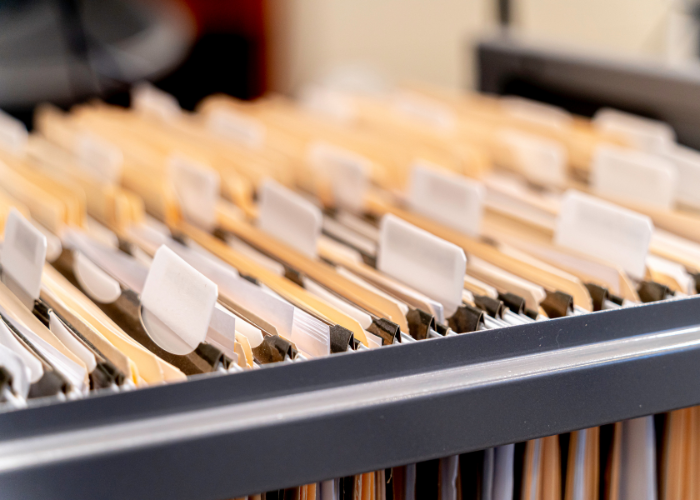
- En papel. Consiste en utilizar un archivador de facturas físico y específico para clasificar las facturas por fecha o por proveedor. Eso sí, asegúrate de protegerlas contra humedad o deterioro con uno que sea de buen material.
- Digitalmente. Este método se basa en utilizar un software que escanea las facturas y las almacena en un sistema de gestión documental. En este caso, te recomendamos usar herramientas que te permitan incluir etiquetas o filtros que te faciliten la búsqueda.
- Híbrido. La última y tercera opción es combinar las dos anteriores. Es decir, tanto conservarlas en papel como aprovechar un sistema digital al mismo tiempo, lo cual te da una doble capa de seguridad.
No obstante, piensa que en cuanto se termine de aplicar al 100% la obligatoriedad y el reglamento de la factura electrónica en España, la facturación en papel (y por consiguiente, la híbrida) dejarán de tener sentido.
Ventajas de archivar digitalmente las facturas de proveedores
Pero más allá de esa obligatoriedad de la factura digital y de tener que archivar las facturas electrónicamente, este método te ofrece otras grandes ventajas:.
- Mayor accesibilidad. Un software te ayuda a localizar cualquiera de tus facturas electrónicas en cuestión de segundos.
- Seguridad avanzada. El almacenamiento en la nube te da la oportunidad de tener copias de seguridad automáticas. Por lo tanto, los datos están guardados con plenas garantías.
- Autenticidad de los documentos. Las soluciones digitales certificadas te aportan validez legal para los documentos con firmas y certificados electrónicos.
- Abaratamiento de costes operativos. Con el proceso digital reduces costes asociados al almacenamiento físico.
- Menor riesgo de pérdidas o daños. Eliminas el factor humano (propenso a dar más fallos) o el deterioro físico de los documentos.
- Optimización del tiempo. Gracias a la automatización y la búsqueda avanzada ahorras tiempo y personal que puedes destinar a otras áreas.
¿Cómo archivar las facturas propias?
Todo lo que hemos comentado sobre archivar las facturas de proveedores es aplicable también a las tuyas. Sin embargo, el archivo de las facturas propias tiene un matiz diferente, ya que afecta directamente a la imagen y profesionalidad de tu empresa frente a clientes y organismos públicos.
Buenas prácticas para archivar facturas de tu empresa
En ese sentido, desde easyap también te recomendamos utilizar soluciones digitales para tus propias facturas y documentos, puesto que te ofrece lo siguiente:
- Centralización. Todo estará en un único sistema donde almacenas todas las facturas emitidas.
- Automatización. Las soluciones que generan facturas electrónicas automáticamente, al mismo tiempo las clasifican al momento.
- Verificación. Estos sistemas te ayudan a revisar que las facturas contienen toda la información obligatoria (NIF, desglose de IVA, fechas, etc.).
- Respaldo legal. Las copias digitales cumplen con las normativas vigentes en facturación electrónica, si es que tu software está bien configurado.
¿Cómo archivar facturas digitalmente?
Datos como el del aumento de la facturación electrónica que hemos citado al inicio reflejan una realidad: la digitalización se está convirtiendo en la solución preferida tanto por grandes empresas como por pymes. A ello contribuyen sus múltiples ventajas.
Pasos para digitalizar y archivar facturas
En esa línea, un software eficiente es de vital importancia. De hecho, una vez hayas implementado uno en tu empresa, el paso a paso para digitalizar y archivar tus facturas es fácil y rápido:
- Escaneo inicial. Convierte tus facturas en papel a formato digital (PDF, XML, etc.).
- Software de gestión. Utiliza una herramienta que te permita clasificar, etiquetar y almacenar facturas electrónicamente.
- Almacenamiento en la nube. Si has escogido una plataforma segura, podrás incluir opciones de acceso remoto, así como copias de seguridad.
- Integración con otros sistemas. Conecta tu software de facturación con tu ERP o CRM para consolidar la información financiera.
¿Cómo puede ayudarte easyap con tu facturación?
En este punto es donde entra easyap, una solución líder en la gestión de facturación electrónica. Nuestro software está diseñado para satisfacer las necesidades de grandes empresas de diversos países, sectores y tamaño.
Entre otras cosas, tendrás la posibilidad de:
- Generar facturas. El software automatiza completamente el proceso de emisión, lo cual te garantiza el cumplimiento normativo y una precisión total.
- Recibir y gestionar facturas de proveedores. Podrás centralizar todos los documentos en un único sistema, con capacidad de clasificación y búsqueda avanzada.
- Modificar facturas. La solución de easyap corrige errores y actualiza información de manera sencilla y segura.
- Archivar facturas digitalmente. Por supuesto, el software almacena en la nube tus facturas y documentos con tecnología que te asegura accesibilidad inmediata y protección en caso de auditorías.
Aún hay más ventajas, pero ya solo con esas, te olvidas de los procesos manuales. También ganas en eficiencia y puedes dedicar más tiempo a tareas estratégicas.
En definitiva, con una buena estrategia de archivo de facturas y una herramienta como la que te brindamos, tu empresa cumplirá con todas las normativas, evitará errores y simplificará la gestión financiera. Si quieres probarlo y saber más sobre easyap y sus beneficios contáctanos.