
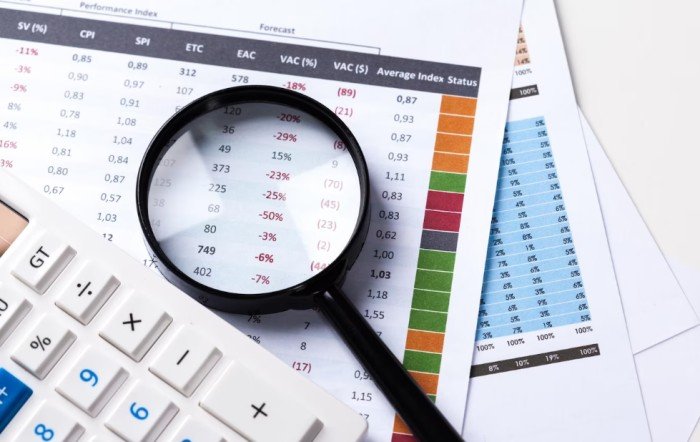
Decir que la factura electrónica agiliza los procesos financieros es decir una obviedad. En ese panorama, los análisis de facturas que se hacen actualmente son mucho más detallados y estratégicos que antes. Así mismo, la información que ofrecen estos controles sobre la salud financiera de tu empresa es más precisa. Pero, ¿qué es exactamente un análisis de facturación hoy en día?, ¿qué indicadores ofrece y por qué son cruciales para mejorar la eficiencia y optimizar tu proceso de facturación?, ¿cuáles son los errores más comunes en la gestión de facturas y cómo puedes evitarlos? Te lo contamos.
El análisis de facturas en la era de la automatización
En esta nueva era marcada por la digitalización empresarial, la factura electrónica es un eje financiero en cualquier negocio, sea cual sea su dimensión. En ese contexto, el análisis de facturas emerge como un recurso de valor incalculable para los directores financieros y empresarios. ¿El motivo? La visión detallada y estratégica que ofrecen sobre el estado financiero de la organización.
El caso es que, hoy en día, este análisis no solo se limita a la mera interpretación de números. Se trata de un proceso que es el faro que ilumina la eficiencia, la detección de patrones y la toma de decisiones fundamentadas. A su vez, estudiar sus indicadores no solo conlleva mejorar la facturación, sino también optimizar el rendimiento general de tu empresa.
Ahí, la factura electrónica representa un avance significativo, ya que agiliza las operaciones y reduce los costes operativos. Su adopción mejora la precisión, minimiza errores y facilita la trazabilidad de las transacciones. O sea, que optimiza cualquier análisis financiero. Esta transformación digital te ahorra tiempo y recursos, a la par que te abre las puertas de la automatización y la integración eficiente de los datos en tus sistemas.
Los indicadores clave que ofrece el análisis de facturas
Como decíamos al inicio, la profundidad del análisis de facturas no solo radica en la simple revisión de números. Es una herramienta ideal para revelar los principales indicadores que impactan directamente en la salud financiera y operativa de tu empresa. A su vez, aportan luz en cualquier área estratégica y te ayudan a tomar decisiones basándote en datos.
Eficiencia en tiempo y recursos
Un análisis detallado de las facturas te ofrece una visión microscópica de tus procesos financieros, permitiéndote identificar áreas donde puedes optimizar la eficiencia operativa. Este enfoque te descubre oportunidades para reducir el tiempo que dedicas a tareas manuales, automatizar flujos de trabajo y asignar recursos de manera más efectiva.
Detección de patrones y tendencias
Más allá de la simple revisión de números, la revisión de facturas descubre patrones y tendencias que podrían pasar desapercibidos en un análisis superficial. Identificarlas te ayuda a prever y a planificarte mejor. De esta forma, podrás adaptar tus estrategias financieras y operativas para aprovechar oportunidades o para mitigar riesgos antes de que se conviertan en problemas.
Control de gastos y presupuestos
En tercer lugar, el análisis exhaustivo de las facturas te proporciona una visión clara y detallada de tus gastos. Por ende, es una herramienta para tener un control mucho más preciso y proactivo. Con él identificas desviaciones en tus presupuestos, desembolsos innecesarios o no autorizados y entiendes las tendencias de gasto. Es decir, es un soporte ideal para asegurar la sostenibilidad y la rentabilidad a largo plazo de tu organización.
Seguimiento y cumplimiento de normativas
El cumplimiento normativo es otro aspecto crítico en la gestión financiera. En ese contexto, el análisis y la validación de facturas te permite hacer un seguimiento detallado y preciso de cada transacción y aprobarlas conforme a la legislación. De esta forma, cumples con las regulaciones locales e internacionales y evitas sanciones y multas. Incluso, al mismo tiempo, fortalecerás tu reputación y la credibilidad de tu empresa en el mercado.
En definitiva, el análisis de facturas proporciona unos indicadores vitales para la toma de decisiones estratégicas, lo cual te permite llevar una gestión financiera más eficiente y efectiva.
Mejoras del control de facturas en el proceso de facturación
Ciñéndonos a las mejoras que aporta un buen análisis financiero a la facturación, se trata de una herramienta financiera que redefine la eficiencia operativa, minimiza los errores y agiliza la capacidad de respuesta de cualquier empresa.
1. Optimización de flujos de trabajo
El análisis de facturas es un motor de optimización, ya que identifica cuellos de botella y puntos de mejora en los flujos de trabajo. Al destacar áreas donde los procesos podrían ser más eficientes, desde la recepción hasta la validación de facturas, te permite implementar medidas para agilizar y simplificar cada etapa del proceso. Principalmente:
- Reduce el tiempo del procesamiento de facturas.
- Automatiza tareas repetitivas como la validación de datos.
- Ofrece una integración fluida con sistemas de contabilidad y ERP para una gestión más cómoda y eficaz.
Estas mejoras no solo ahorran tiempo y recursos, sino que también liberan personal humano y otros recursos que podrás invertir o destinar a tareas más estratégicas.
2. Reducción de errores y retrasos
Por otro lado, los errores y los retrasos en los procesos de facturación inciden en la salud financiera de todo negocio. Por eso, el análisis detallado de las facturas te ayuda a identificar y corregir errores con antelación. Así mismo, si utilizas tecnologías avanzadas de reconocimiento y chequeo de facturas, minimizas los errores en la captura de los datos, asegurando la precisión en cada transacción. Por ende, evitas retrasos en los pagos.
3. Agilidad en la toma de decisiones
Y en tercer lugar, como sabrás, la agilidad es algo crítico en entornos empresariales dinámicos. Con un buen análisis de facturas, las organizaciones ganan agilidad en la toma de decisiones financieras. El motivo es que al tener acceso rápido y preciso a datos relevantes, puedes decidir de manera informada y en tiempo real. O sea, que aprovechas oportunidades rápidamente y adaptas tus estrategias según las demandas cambiantes del mercado.
Este trío de mejoras demuestran cómo el análisis inteligente de facturas, más aún si es automatizado con un buen software contable como el de easyap, transforma la eficiencia operativa y la capacidad de las empresas para responder ágilmente a un entorno en constante evolución.
3 Errores comunes en la facturación y la revisión de facturas
No obstante, en los procesamientos de facturas también se pueden dar errores. Por eso siempre requieren de una supervisión humana. A pesar de los avances tecnológicos, persisten fallos comunes que obstaculizan la eficiencia y que es crucial que corrijas para optimizar tus procesos financieros.
Desde nuestra experiencia, diríamos que los errores que explicamos a continuación son los más típicos.
1. Falta de estándares y consistencia en los datos
La falta de estándares y consistencia en los datos es un desafío importante en la gestión de facturas. Este error dificulta la interpretación, la comparación y el análisis efectivo de la información financiera. Así que para abordarlo, te recomendamos:
- Establecer protocolos claros para capturar y almacenar los datos.
- Utilizar sistemas unificados que aseguren la coherencia al presentar la información.
- Trabajar con herramientas de validación automática que garanticen la consistencia de tus datos.
2. Errores humanos al capturar información
Otro clásico son los ya citados errores humanos al capturar datos. Meter manualmente la información aumenta el riesgo de fallos o erratas, ya sean errores tipográficos o al teclear u omisiones involuntarias. Para evitarlo, te aconsejamos:
-
Migrar a protocolos de facturacion electrónica y para aquellos casos que no sea posible Integrar sistemas de reconocimiento de caracteres (OCR)
- Capacitar y formar a tu equipo para el manejo del software de contabilización de facturas.
- Implementar procedimientos de verificación y validación de datos realmente eficientes.
3. Falta de integración y automatización
Y, sobre todo, hoy en día, en plena era digital, la inexistencia de una integración entre sistemas y la falta de automatización en los procesos de facturación puede generar ineficiencias importantes. Ante ese riesgo, nuestra recomendación es:
- Integrar tu software de gestión de facturas con tu ERP para una operatividad más fluida.
- Automatizar tareas repetitivas como la validación de datos o la aprobación de facturas.
- Utilizar APIs para conectar sistemas y facilitar el intercambio de información.
El papel de easyap en el análisis de facturas
Precisamente, para aprovechar las ventajas de un análisis de facturas y evitar errores, el software de easyap es un gran aliado. Una solución integral que aborda todos y cada uno de los retos que plantea la gestión de facturas.
Con un enfoque avanzado en automatización y de análisis inteligente, en easyap te aportamos una serie de ventajas que transformarán tus análisis financieros:
- Automatización. Simplificamos y agilizamos tus procesos de facturación automatizando tus tareas más repetitivas. Así, reduces los errores humanos, optimizas los flujos de trabajo y aceleras la toma de decisiones.
- Integración. El software se integra con tu ERP y demás herramientas, garantizándote una operatividad fluida y una gestión eficaz de tu información financiera. A su vez, te aseguras la coherencia en los datos y su consistencia en toda la plataforma.
- Análisis avanzado. Con nuestra solución disfrutarás de análisis inteligentes con los que identificarás patrones, tendencias y puntos de mejora.
- Cumplimiento normativo. La plataforma de easyap te garantiza el cumplimiento de las normativas financieras y legales a las que tengas que ceñirte, reduciendo así el riesgo de sanciones y multas.
La combinación de estas ventajas nos posiciona como una herramienta fundamental para potenciar tus análisis financieros. Es más, te ofrecemos muchos otros beneficios, los cuales puedes descubrir contactándonos desde aquí. Con easyap tendrás un activo poderoso para el crecimiento y la sostenibilidad de tu empresa.