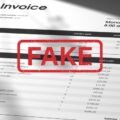
Las diferencias entre factura falsa y factura falseada son vitales en el ámbito financiero y fiscal. Un término implica la creación de un documento que nunca existió, mientras que el otro se refiere a la alteración de una factura legítima. Para muchos directores financieros, comprender estos matices es tanto una exigencia legal como una necesidad estratégica para proteger su reputación y garantizar la salud de la empresa. Así que analicemos qué son estos dos tipos de fraude, cómo detectarlos con herramientas y buenas prácticas, qué sanciones conllevan y cómo desterrarlas de tu facturación electrónica.
Por definición, ¿cuál es la diferencia entre factura falsa y falseada?
Para entender la diferencia entre factura falsa y falseada, primero hay que entender en profundidad el significado de cada concepto.
- Factura falsa: documento contable emitido por un proveedor o empresa inexistente o que no ha realizado ninguna operación real. Por ejemplo, se da cuando se crea una sociedad sólo para facturar o documentar una operación que nunca existió.
- Factura falseada: parte de un documento legítimo, pero su contenido es modificado. En este caso, dos ejemplos son aumentar los importes facturados para deducir más IVA o cambiar fechas, conceptos o destinatarios.
Básicamente, la diferencia principal es que una factura falsa no existe y es un documento completamente inventado, mientras que la falseada es un documento real que ha sido manipulado con información errónea para engañar.
Las 5 diferencias entre factura falsa y factura falseada
Por la definición de cada una, ya se ve que, una factura falsa y una factura falseada no son lo mismo. Erróneamente, a veces se usan como sinónimos, pero tienen consecuencias legales y fiscales distintas y severas, sobre todo si eres responsable financiero en una empresa.
En concreto, estas son sus cinco diferencias principales:
| Diferencia | Falsa | Falseada |
| 1. Documento | La factura es ficticia, ya que no existe ninguna operación real. | La factura es real, pero ha sido modificada o manipulada. |
| 2. Naturaleza del fraude | Inventa una operación que nunca ocurrió. | Altera una operación real para modificar cantidades, conceptos o fechas. |
| 3. Riesgo fiscal | Muy alto. Puede constituir delito fiscal directamente. | Alto, pero puede considerarse infracción si no supera ciertos umbrales. |
| 4. Detección por Hacienda | Se detecta fácilmente con cruces de datos entre empresas y proveedores inexistentes. | Es más difícil de detectar, requiere análisis detallado y técnico. |
| 5. Intención del emisor | Simular ingresos, operaciones o justificar gastos que nunca existieron. | Inflar gastos, cambiar fechas o aprovechar deducciones de forma indebida. |
Ejemplos prácticos:
- Factura falsa: una empresa “fantasma” factura a otra por un servicio de consultoría nunca prestado para deducirse el IVA o justificar gastos.
- Factura falseada: una factura real de transporte se modifica aumentando el importe de 2.000€ a 3.000€ para deducirse más IVA del que corresponde.
Casos en los que se usan facturas falsas o falseadas
- Pagar menos IVA: aumentar gastos para deducir IVA inexistente y, por ende, engañar al proveedor.
- Reducir ingresos/impuestos: emitir facturas con cantidades inferiores a lo real ajustando costes e ingresos.
- Capitalización del paro jugando con documentación: simular alta/servicio con facturas falsas.
- Reclamaciones de seguros o siniestros: facturas falseadas para justificar un valor superior del bien.
- Malversación interna: una persona genera gastos inflados con facturas falseadas.
¿Cómo detecta Hacienda facturas falsas o falseadas?
Tanto las facturas truchas como las falseadas son ilegales. Pero, ¿cómo las detecta Hacienda? El control que ejerce el organismo tributario español es cada vez más inteligente y eficaz.
De hecho, hoy en día y con la digitalización y los sistemas automatizados, el Fisco puede:
- Cruzar datos y proveedores. Así, compara IVAs de proveedores y clientes o detecta ausencia de proveedores en otros registros fiscales.
- Revisar modelos 347 y 349. De esta manera, verifica operaciones importantes (por ejemplo, supuestos de comercio exterior o intracomunitario).
- Analiza Intrastat e IOSS. O sea, hace un control interno de operaciones de comercio.
- Aplica tecnología OCR y análisis documental. Con este método también reconoce patrones de falsedad: márgenes atípicos, manipulación de series…
- Trabaja con Big Data y correlación de empresas. De esta forma, detecta facturas que encajan en patrones fraudulentos: grupos de empresas vinculadas, volúmenes inusuales…
- Comprobaciones in situ. Solicita documentación: contratos, albaranes, justificantes contables.
Además, el motor de análisis de datos de Hacienda «alerta» automáticamente sobre las facturas que incumplan estándares de consistencia.
Claves para detectar una factura falsa o falseada
Siendo más concretos, para identificar facturas falsas y falseadas, tú también puedes fijarte en los siguientes aspectos en cada caso, como hace Hacienda.
Facturas falsas
- Proveedor desconocido o sin presencia online.
- Actividad que no encaja con tu sector ni volumen de compras.
- Datos incompletos: CIF erróneo, domicilio dudoso, omisión de datos de facturación obligatorios…
- Importes atípicos en relación con tus compras habituales.
- Incoherencias en registros bancarios: factura emitida pero sin transferencia.
Facturas falseadas
- Importes modificados respecto a presupuestos aceptados o acuerdos previos.
- Conceptos alterados para justificar deducciones de IVA o gastos no reales.
- Desfase de fechas.
- Duplicidad o uso incorrecto de una misma factura en distintas secciones contables.
- Ediciones visibles de un PDF: por ejemplo, la propiedad de Adobe modificada.
Checklist rápido para tu equipo financiero
Asimismo, te damos un checklist rápido para que tú y tu equipo identifiquéis facturas falsas o falseadas antes de que lleguen a Hacienda.
- Verifica que el CIF del proveedor figure en el censo de Hacienda.
- Cruza proveedor y banco: ¿cuadra la línea?
- Compara un histórico de gastos habituales.
- Revisa fechas: emisión vs. servicio vs. cobro…
- Usa un software contable con formatos legales y que detecte alteraciones (versionado PDF+XML).
Sanciones aplicables para facturas falseadas y falsas
En caso de que Hacienda identifique cualquiera de estos documentos, aparece el riesgo de sufrir sanciones como las que citamos ahora.
- Infracción tributaria leve: sanción del 50% sobre la cuota, si se subsana.
- Infracción grave: aquí, como mucho, es donde se categorizan las facturas falseadas. Son del 100% sobre cuota y del 150% si hay documentación falsa reiterada.
- Delito fiscal: la factura falsa suele conllevar una multa proporcional a la cuota defraudada (hasta un 150%) y penas de prisión de 1 a 6 años en caso de gravedad (art. 305 de Código Penal).
| Tipo de factura | Infracción tributaria | Potenciales penas/prácticas |
| Falsa total | Delito fiscal si es grave; Infracción leve/grave | Prisión (1‑6 años) + multa + bloqueo ÁGIL |
| Falseada | Infracción leve o grave | Multa 100‑150 % y deducción rechazada |
Además, hay más riesgos indirectos como:
- Pérdida de derecho a deducción del IVA.
- Repercusiones reputacionales ante medios y clientes,.
- Control y bloqueo preventivo por parte de Hacienda que paralizará declaraciones posteriores.
¿Cómo te ayuda easyap a evitar facturas falsas y falseadas?
En este punto es donde entra easyap. Una solución que protege tus finanzas con las siguientes garantías:
- Alta segura de proveedores: CIF comprobado con sede electrónica y certificados digitales.
- Control preventivo: alertas si el proveedor está liquidado o fuera de registro.
- Sellos digitales y verificación con blockchain opcional.
- Versiones automáticas que no permiten editar PDFs sin registro de cambios.
- Cruce de facturas con extractos bancarios y datos fiscales del proveedor.
- Detección de desviaciones de IVA, importes fuera de rango y fechas dudosas.
- Panel de control para:
- Facturas con IVA inusualmente alto.
- Sectores de gasto fuera de tendencia histórica.
- Avisos cuando una factura no cuadra con el patrón mensual/trimestral.
- Actualización normativa automática (IVA, IRPF, tipos fiscales).
- Listados 303, 347 e informes compatibles con inspecciones.
- Trazabilidad completa: qué usuario subió y quién la validó.
- Registro de accesos: completo cumplimiento de políticas de seguridad de la información.
Si como director financiero quieres protegerte, anticípate. Comprender las diferencias entre factura falsa y falseada, saber cómo actúa Hacienda, qué sanciones hay y cómo se evidencian en tu contabilidad es el primer paso.
Pero, lo decisivo es prevenir con procesos internos eficaces, formación y un sistema como easyap. Con nosotros cumples legalmente y blindas tus procesos frente al fraude de forma escalable, digital y fácil. Contáctanos y descubre un software que actúa como una auditoría diaria y sirve de escudo frente a sanciones.