
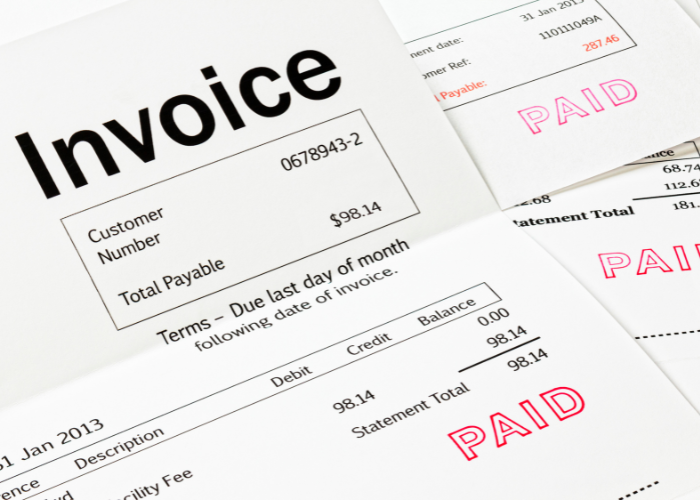
La numeración de facturas es un “tres en uno”: un requisito legal, un mecanismo de control interno y una práctica indispensable para la trazabilidad financiera de un negocio. Numerar facturas de manera incorrecta puede derivar en sanciones de la Agencia Tributaria, errores contables y complicaciones en auditorías. En estas líneas te explicamos cómo numerar facturas, qué exige el reglamento en España y cuándo es obligatorio usar series diferentes. Lo vemos con ejemplos y te mostramos cómo con easyap automatizas la contabilidad, ahorras y evitas riesgos.
¿Qué es la numeración de facturas y por qué es tan importante?
Lo primero es entender el concepto: la numeración de facturas es la secuencia única, correlativa y ordenada que se asigna a cada factura emitida por una empresa. Asimismo, es mucho más que un simple código de organización interna, ya que:
- Tiene validez legal y fiscal. La normativa exige que todas las facturas tengan un número único que las identifique.
- Garantiza la trazabilidad. Te permite seguir el ciclo de una operación de principio a fin.
- Evita las duplicidades. Un número repetido puede invalidar una factura o generar sanciones.
- Facilita la contabilidad y auditoría. Una secuencia ordenada simplifica la revisión de libros contables y reportes financieros.
En definitiva, la numeración no solo ordena, sino que protege a la empresa ante Hacienda y asegura que tu gestión financiera sea transparente.
¿Qué dice el Reglamento de facturación sobre cómo numerar facturas?
A nivel legal, el reglamento de facturación (oficialmente llamado Real Decreto 1619/2012, de 30 de noviembre) establece claramente cómo deben numerarse las facturas en España. En concreto, establece lo siguiente:
- La numeración debe ser correlativa dentro de cada serie.
- Cada factura debe llevar un número único que la identifique.
- Puedes crear varias series de facturación, pero cada una de ellas debe ser correlativa en sí misma.
- El formato de la numeración es flexible: puede ser solo un número (001, 002, 003…), o bien combinar números y letras (2025-001, A-2025-015…).
- Es obligatorio que la numeración sea ininterrumpida, salvo que cambies de serie con alguna justificación legal.
En otras palabras, no puedes “saltar” números, repetirlos o reiniciar la numeración arbitrariamente.
¿Cuándo debes usar series diferentes de facturación?
De todas maneras, en el propio reglamento se contempla que en determinadas situaciones sea necesario o recomendable usar series diferenciadas de numeración. Algunos casos habituales son:
- Al emitir facturas rectificativas. En este caso deben llevar una serie específica que sea distinta de la general.
- Cuando una empresa cuenta con varios establecimientos o sucursales. Aquí, cada centro puede llevar su propia serie, siempre que sea correlativa.
- Facturación en distintos años fiscales. Aunque no es obligatorio, hay muchas empresas que reinician la numeración cada año con una nueva serie (por ejemplo: 2024-001, 2025-001).
- Compañías con diversos tipos de operaciones. Hay empresas que facturan en distintos regímenes (general, recargo de equivalencia, inversión del sujeto pasivo…), por lo que suelen diferenciar las series.
- Con clientes o para proyectos especiales. Hay compañías que prefieren crear series concretas para identificar con rapidez la facturación por cliente, por proyecto o por línea de negocio.
Cómo numerar facturas para no cometer errores
Como todo se ve mejor con casos prácticos, a continuación te mostramos cómo numerar facturas correctamente en distintos supuestos:
| Situación | Serie recomendada | Ejemplo de numeración |
| Facturación general anual | Por año fiscal | 2025-001, 2025-002, 2025-003… |
| Facturas rectificativas | Serie independiente | R-2025-001, R-2025-002… |
| Dos sucursales distintas | Por centro | MAD-001, MAD-002… / BCN-001, BCN-002… |
| Diferentes líneas de negocio | Por producto o servicio | SW-001, SW-002… / CONS-001, CONS-002… |
| Cliente estratégico con control separado | Por cliente | CLIENTE_A-001, CLIENTE_A-002… |
En todos estos casos evita errores comunes como:
- Reiniciar la numeración dentro del mismo año sin motivo legal.
- Duplicar números en distintas facturas.
- Saltar números (por ejemplo, pasar de 2025-010 a 2025-012 sin emitir la 2025-011).
Ejemplo de cómo numerar facturas correctamente paso a paso
Imagina que tu empresa emite facturas en 2025 y hay tres escenarios distintos: facturación general, facturas rectificativas y un nuevo centro que has abierto en Barcelona. Veamos cómo debería ser la numeración correcta en cada caso:
1. Facturación general (serie anual por ejercicio fiscal)
Lo habitual es crear una serie que se reinicie cada año y que siga un orden correlativo. Es decir:
- 2025-001
- 2025-002
- 2025-003
- 2025-004
Cada nueva factura incrementa en uno el número anterior. No hay saltos ni duplicados. Además, al cambiar de ejercicio, reiniciarías a partir de 2026-001.
2. Facturas rectificativas (serie independiente)
Si quieres corregir una factura ya emitida, el reglamento exige que se emita con una serie diferente. O sea:
- R-2025-001
- R-2025-002
Aquí la “R” indica que es una factura rectificativa. Esta serie debe ser también correlativa y no puede mezclarse con la general.
3. Varios centros de facturación (series por sede)
Si abres un nuevo centro en Barcelona y facturas desde allí, tienes que crear una serie para esa sede. Por ejemplo:
- MAD-2025-001 (Madrid)
- MAD-2025-002
- BCN-2025-001 (Barcelona)
- BCN-2025-002
Cada sede tiene su secuencia independiente y correlativa. De esta manera, tienes una mejor trazabilidad contable y simplificas procesos de auditoría.
Comparativa: cómo gestiona easyap la numeración frente a competidores
Precisamente, la tecnología juega un papel vital al numerar facturas. Un software como el de easyap te ofrece ventajas y funcionalidades esenciales, en comparación con otros competidores:
| Criterio | Easyap | Competidores (Holded, Declarando, Edicom, Seres…) |
| Automatización de numeración | Flexible en series y subseries. | Poca personalización avanzada. |
| Cumplimiento legal | Homologado y preparado para normativas internacionales y nacionales. | Más foco en pymes/autónomos, sin tanta potencia legal en entornos complejos. |
| Integración con ERP | Total (SAP, Oracle, Microsoft Dynamics y otros). | Limitada en herramientas más básicas; requieren procesos manuales. |
| Escalabilidad | Diseñado para empresas con alto volumen de facturación y varias filiales. | Orientados a empresas más pequeñas; pueden quedarse cortos en operaciones globales. |
| Soporte técnico | Expertos en facturación electrónica, OCR y workflows financieros. | Soporte estándar, sin tanta especialización. |
Por todo ello, easyap es ideal para:
- Empresas medianas o grandes con gran volumen. Asegura trazabilidad, control interno y cumplimiento normativo.
- Entornos con ERP corporativos. La solución es perfecta si quieres una integración avanzada con SAP, Oracle, Dynamics o el ERP que utilices.
- Organizaciones con operaciones internacionales. La plataforma gestiona distintos formatos y normativas extranjeras, algo vital para las multinacionales.
- Departamentos financieros con auditorías frecuentes. La automatización y los registros digitales facilitan ayudan en cualquier control interno o externo.
En cambio, para pymes muy pequeñas o para autónomos que emiten pocas facturas al mes, es posible que una herramienta más ligera sea suficiente.
Ventajas de numerar facturas con easyap
Tanto por una cuestión operativa como legal, en el día a día de un departamento o área financiera, numerar facturas es crítico. Un error puede conllevar rehacer el trabajo, afrontar sanciones, retrasar auditorías o minar la confianza de un cliente.
Por eso, cada vez más empresas se apoyan en sistemas como easyap, que combina automatización, seguridad y cumplimiento legal. Entre las ventajas que puedes aprovechar con nuestro software, encuentras:
- Automatización total. Las facturas se numeran automáticamente, sin duplicados ni saltos.
- Cumplimiento normativo. Nos adecuamos al reglamento de facturación español y a otras normativas internacionales.
- Configuración flexible. Puedes crear varias series y subseries por año, sucursal, cliente u operación, sin inconsistencias.
- Escalabilidad. Da igual si gestionas 500 o 500.000 facturas al mes, ya que el sistema soporta inmensos volúmenes de datos sin perder ni un ápice de eficiencia.
- Trazabilidad y auditoría simplificada. Cada factura se registra con número único y es fácilmente accesible en inspecciones o revisiones.
- Ahorro de tiempo y costes. El equipo financiero se puede centrar en tareas de más valor añadido, en lugar de tener que revisar manualmente las secuencias de facturación.
- Soporte experto. En easyap contamos con especialistas en facturación electrónica y en cumplimiento legal que te acompañan en cada actualización.
En resumen, saber numerar facturas correctamente te da orden, cumplimiento legal y eficiencia. En las grandes empresas, el riesgo de cometer fallos de facturación se multiplica. Ahí, easyap es diferencial: integra la numeración en un sistema automatizado, fiable, homologado y que se adapta a ti. ¿Quieres verlo? Contáctanos y disfruta de eficiencia, trazabilidad y control al gestionar tus facturas.